

The Trump administration is preparing to release the findings of a trade investigation into alleged excess industrial capacity in 16 major U.S. trading partners, with new import duties on a wide range of goods expected to be proposed, according to Reuters and Politico, both citing people with knowledge of the matter. Politico reported that U.S. Trade Representative Jamieson Greer was expected to announce the proposals on Tuesday night. The U.S. Trade Representative’s office and the White House did not respond to Reuters’ requests for comment.
The investigation was launched in March under Section 301 of the Trade Act of 1974, which allows the trade representative to impose tariffs in response to practices deemed unfair. According to Reuters, the economies under review are China, India, Japan, South Korea, Mexico, Vietnam, Taiwan, Thailand, Malaysia, Indonesia, Switzerland, Norway, Singapore, Bangladesh, Cambodia and the European Union. Reuters and Politico reported that the new duties are meant in part to replace the global tariffs that the U.S. Supreme Court struck down in February.
The proposed rates have not been made public. One person told Reuters the duties would be tailored to each country, with goods from Mexico and Norway unlikely to face immediate levies. The same person said the administration was expected to honor tariff caps in existing trade deals, including 15% for the European Union, Japan and South Korea and 19% for Malaysia, as well as a 20% cap on China as long as a trade truce due to expire on January 10 is extended. Axios also reported that the rates would follow the limits set in previously negotiated agreements. Ryan Majerus, a former Commerce Department official now at the law firm King & Spalding, told Reuters the rates could range from 15% to 25%, or could start lower and rise over time.
The administration has argued that government subsidies abroad have encouraged excess production that floods global markets with cheap goods and disadvantages U.S. manufacturers, according to Axios. It has named China as the largest source of that capacity, Reuters reported, while China has rejected the accusations, saying its exports reflect competitive advantages. A Reuters/Ipsos poll taken after November’s midterm elections found 62% of respondents would support efforts to repeal the tariffs. Greer told Bloomberg Television last week that the investigation would be completed by the end of the year.
Sources
- https://www.investing.com/news/commodities-news/trump-administration-set-to-unveil-new-tariffs-after-probeon-excess-factory-capacity-sources-say-5048724
- https://www.politico.com/news/2026/11/24/trump-tariffs-china-eu-mexico-manufacturing-01181685
- https://www.axios.com/2026/11/24/trump-tariffs-china-affordability
- https://news.bloomberglaw.com/international-trade/greer-sees-us-trade-probe-certainly-concluding-by-year-end
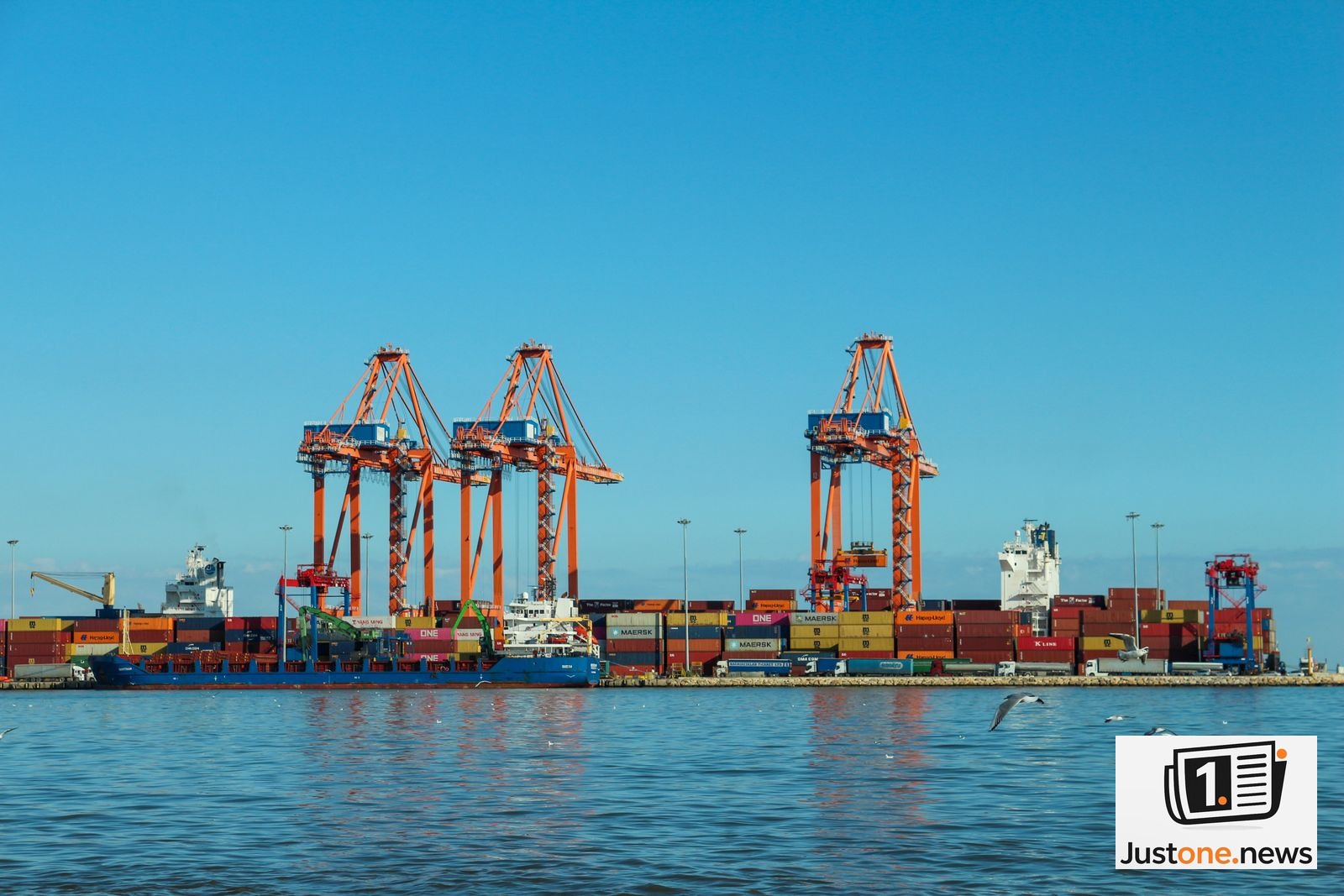
Photo: Container port with cranes and ships: Nezaket / Pexels