

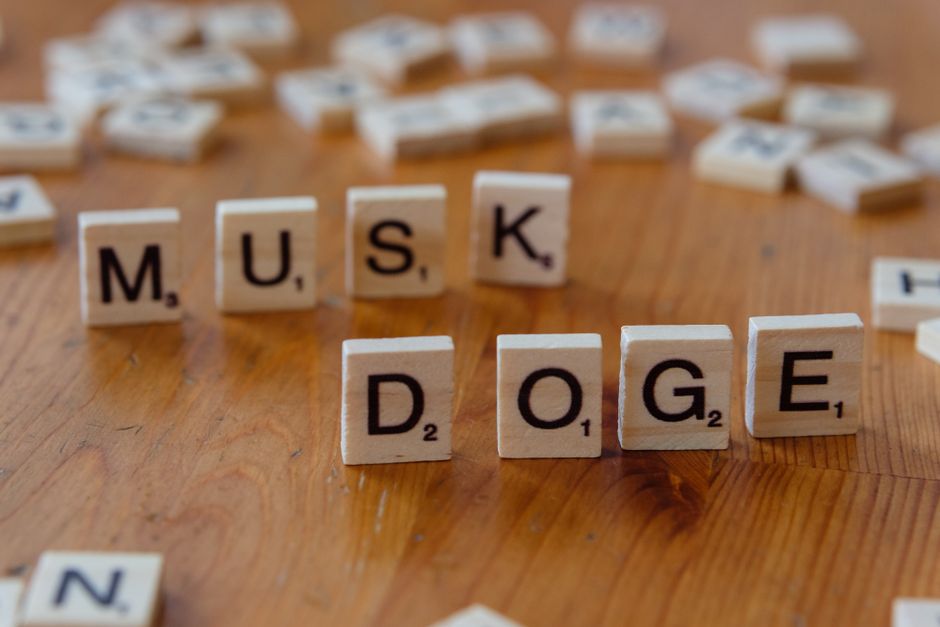
Elon Musk is set to take on a significant new position within the Trump administration, one that could give the tech billionaire substantial sway over the future of American warfare and national defence policy. The appointment marks yet another expansion of Musk’s already considerable footprint within the federal government, building on his controversial leadership of the Department of Government Efficiency, widely known as DOGE.
The new role is expected to place Musk in an advisory capacity on matters relating to military technology, modernisation, and strategic direction — areas where his companies, including SpaceX and defence-focused ventures, already hold billions of dollars in government contracts. Critics have been swift to raise concerns about potential conflicts of interest, questioning whether a private entrepreneur with direct financial ties to the Pentagon should be shaping the very policies that govern defence spending and procurement.
Supporters of the appointment argue that Musk’s track record of technological innovation makes him uniquely qualified to help drag the US military into the modern era. SpaceX’s Starlink satellite network has already demonstrated battlefield utility in conflicts such as Ukraine, and proponents suggest that Musk’s vision for autonomous systems, artificial intelligence, and rapid deployment technologies could prove decisive in future conflicts against near-peer adversaries like China and Russia. Trump administration officials have framed the move as part of a broader effort to inject private-sector expertise into a defence establishment they view as slow-moving and bureaucratically bloated.
However, the announcement has reignited a wider debate about the growing influence of Silicon Valley figures within the halls of American power. Watchdog groups and several members of Congress have called for greater scrutiny and transparency around Musk’s expanding government roles, warning that the blurring of lines between private commercial interests and national security decision-making poses serious risks to democratic accountability. As Musk’s influence continues to grow across multiple arms of the federal government, questions about oversight, ethics, and the long-term implications for US defence policy are unlikely to fade quietly into the background.