

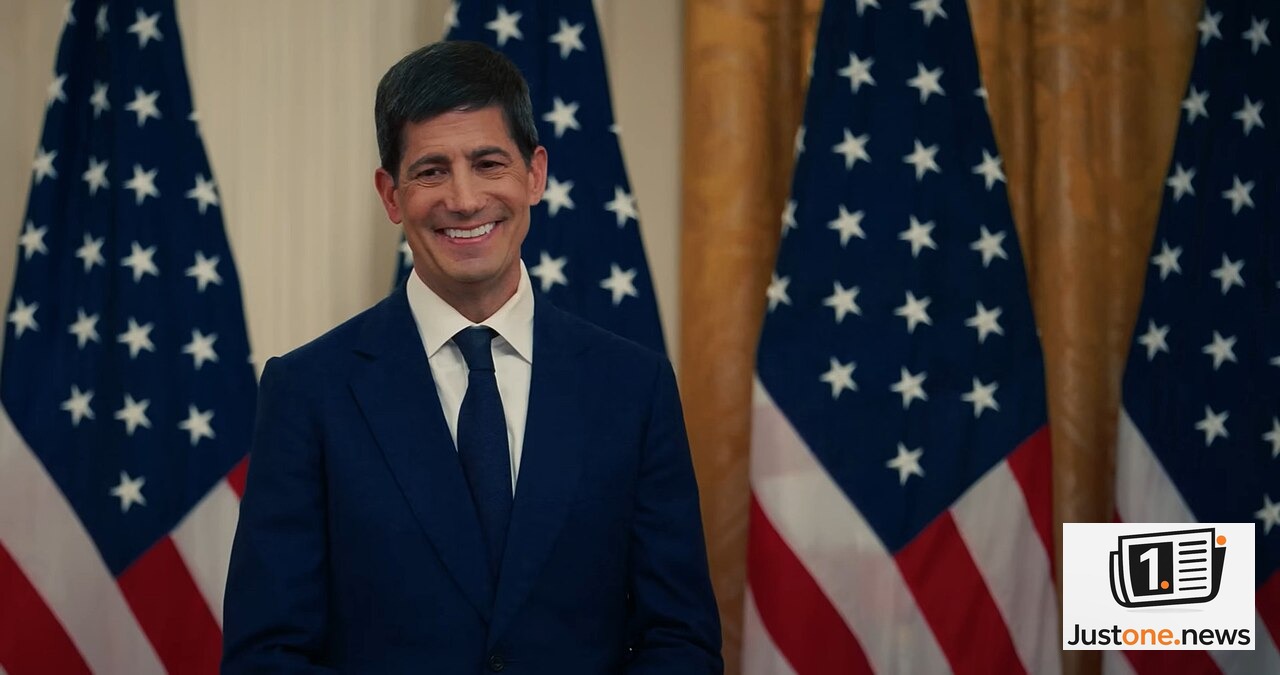
Federal Reserve Chairman Kevin Warsh said Monday, November 16, that the spread of artificial intelligence “will have significant impact on the economy, with important implications for monetary policy down the road.” He made the remarks in prepared opening comments to the Fed’s Productivity and Jobs Task Force Conference, hosted by the Federal Reserve Board and the Federal Reserve Bank of San Francisco. Warsh said it was his first visit to a Reserve Bank as chairman, and that the task force is one of five he has convened.
In the speech, published on the Fed’s website, Warsh referred to the technology as “super intelligence,” calling it “an entirely new force in economic life and society.” CNBC reported that President Donald Trump recently ordered the federal government to use that term instead of AI. Warsh said the technology could differ from past breakthroughs such as electricity because it “could supercharge idea generation,” and that if that happens, growth “could be sustained at a level substantially higher than the long-run average.” He added that machines “do not take the place of human judgment, morality, or responsibility.”
Warsh described three illustrative scenarios from Fed Board staff, stressing they are “not forecasts.” In the first, productivity gains are shared broadly between workers and owners of capital, real GDP growth stays above its long-run average and the U.S. remains close to full employment. In the second, growth still rises, but automation displaces some jobs and pushes unemployment above full-employment levels. In the third, the technology could “disappoint”: expected returns fall after heavy investment and stock gains, equity valuations drop, and the economy slows with a more notable rise in unemployment before recovering without the productivity gains.
Warsh also pointed to risks, saying the technology “empowers all, including bad actors,” and that the Fed is thinking especially about critical infrastructure and its vulnerabilities. “At the Fed, our role in all this is neither advocacy nor opposition,” he said, adding that the big questions are “about magnitude, scope, and timing.” Reuters, as carried by CNA, and American Banker also reported on the remarks. Warsh said he expects “much more clarity with the passing of time.”
Sources:
- https://www.federalreserve.gov/newsevents/speech/warsh20261116a.htm
- https://www.cnbc.com/2026/11/16/fed-ai-task-force-kevin-warsh.html
- https://www.channelnewsasia.com/business/feds-warsh-says-emerging-technologies-will-have-significant-impact-risks-need-be-watched-6556426
- https://www.americanbanker.com/news/warsh-says-ai-will-have-significant-impact-on-economy-policy
Photo (file, Kevin Warsh, May 2026): The White House / Wikimedia Commons, public domain