

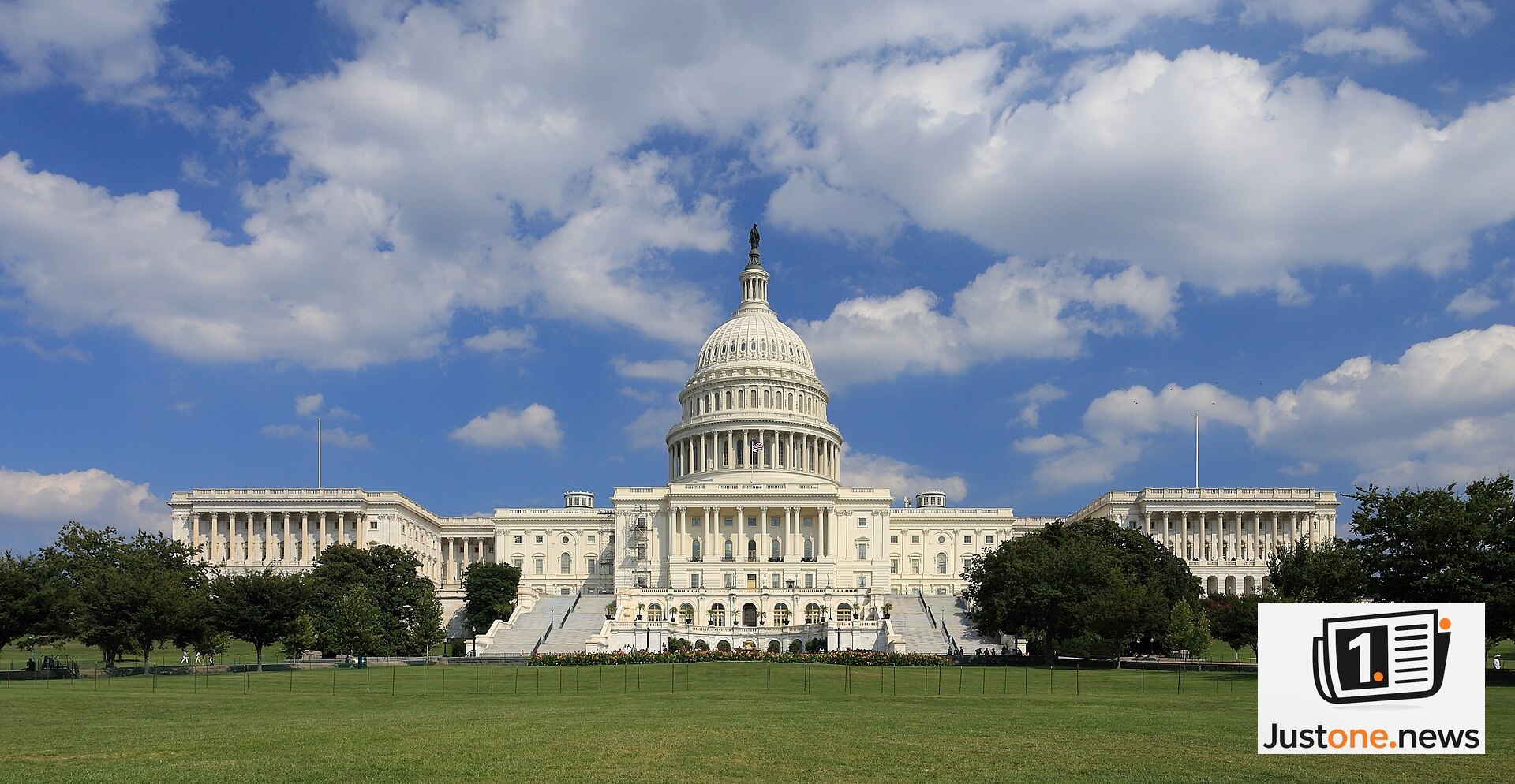
Democrats’ midterm election victories, which give them control of both chambers of Congress, are already drawing reactions from U.S. trade partners, allies and adversaries, Reuters reported Wednesday. It is not immediately clear how President Donald Trump’s loss of control over Congress will shape the eight-month-old U.S. conflict with Iran, according to Reuters. Two sources familiar with Gulf government thinking told the news agency that some Gulf governments believe Trump now has more reason to seek a peace deal. Ebtesam al-Ketbi of the Emirates Policy Center told Reuters a “genuine opportunity could emerge to end the war,” but said Tehran reading the vote as weakness could instead invite “a new military escalation.”
Reuters reported that a Democratic-controlled Congress may increase scrutiny of Israel’s military operations in Iran, Gaza and Lebanon. Oil prices fell for a third day Wednesday as markets wagered the results could add momentum to U.S.-Iran peace talks, though tight stock levels limited the decline, analysts told Reuters. “The market increasingly appears to be betting that President Trump wants to put the Middle East war behind him,” Saxo Bank analyst Ole Hansen said.
On Ukraine, Reuters reported that control of both chambers would allow Democrats to propose new aid, which would need a two-thirds majority, including Republican support, to survive a presidential veto. Any such aid is unlikely to arrive quickly and would not address Ukraine’s shortage of U.S.-made Patriot interceptors, according to Reuters. Rep. Gregory Meeks, D-N.Y., has introduced bipartisan legislation to block a plan to return Russian diesel to the global market, the agency reported. The Kremlin said it hoped the results would not affect what it called Trump’s “peacemaking efforts.”
On trade, analysts told Reuters the results could give some Asian countries reason to slow investment pledges made to avoid tariffs, and could give China a perceived advantage in ongoing talks. Chim Lee of the Economist Intelligence Unit said broad U.S.-China relations would likely keep a state of “fragile stability.” Former Indian trade secretary Anup Wadhawan told Reuters that Trump’s “capacity to impose arbitrary tariffs will certainly face a challenge.” Reuters noted that Congress has authority to set import duties, but that Democratic efforts to limit the president’s tariff powers would likely face a veto.
Photo: Martin Falbisoner / Wikimedia Commons, CC BY-SA 3.0