

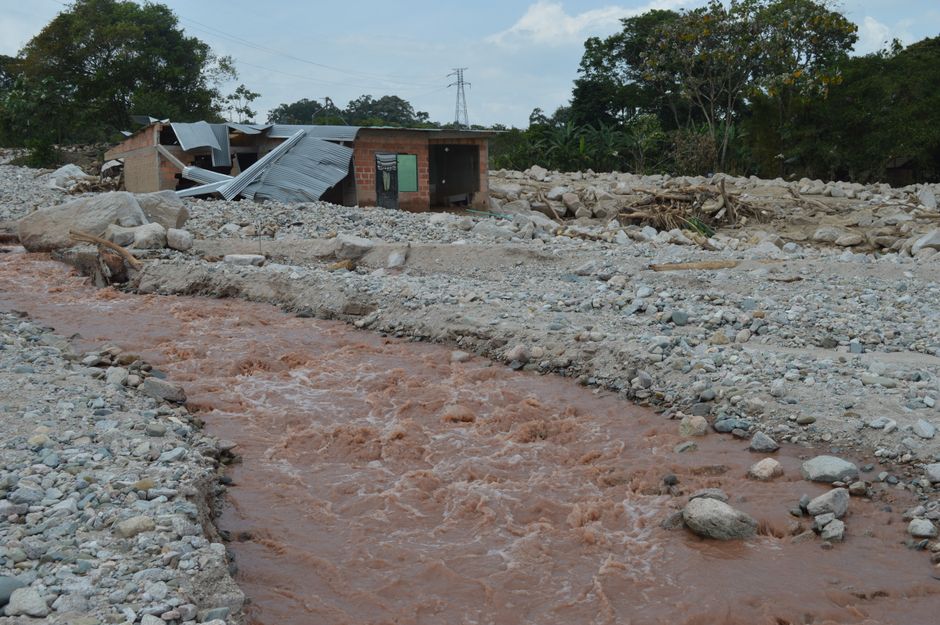
Shocking satellite imagery has exposed the full scale of devastation wrought by catastrophic flooding across Nepal, revealing entire villages reduced to rubble and swept away by raging floodwaters. The images, which have drawn urgent international attention, show communities along river valleys obliterated almost beyond recognition, with homes, farmland, and vital infrastructure disappearing beneath walls of water and debris. Nepalese authorities have confirmed that the death toll continues to rise as rescue teams struggle to reach the most remote and badly affected areas.
Among the mounting concerns is the fate of 33 British nationals who remain unaccounted for in the aftermath of the disaster. The UK Foreign, Commonwealth and Development Office (FCDO) has confirmed it is working urgently with local authorities and emergency services to locate the missing individuals, many of whom are believed to have been travelling in Nepal as tourists or trekkers. Families back in Britain have been urged to contact the FCDO helpline as officials work around the clock to establish the whereabouts of those still missing.
The floods, triggered by exceptionally heavy monsoon rains, have caused widespread destruction across multiple districts in Nepal, with rivers bursting their banks and sending torrents of water and landslides crashing through populated valleys. Thousands of Nepali residents have been displaced from their homes, and local emergency services have been overwhelmed by the scale of the humanitarian crisis. International aid organisations are now mobilising resources to support relief efforts, with food, clean water, and medical supplies urgently needed in the worst-hit regions.
Nepal’s government has declared a state of emergency in several affected districts and is coordinating rescue operations with military and civilian teams. Climate experts have warned that extreme weather events of this nature are becoming increasingly frequent in the Himalayan region as a result of climate change, raising serious concerns about the long-term vulnerability of Nepal’s communities to future disasters. The international community has been called upon to support both the immediate relief effort and longer-term resilience-building measures to protect lives in one of the world’s most disaster-prone nations.