

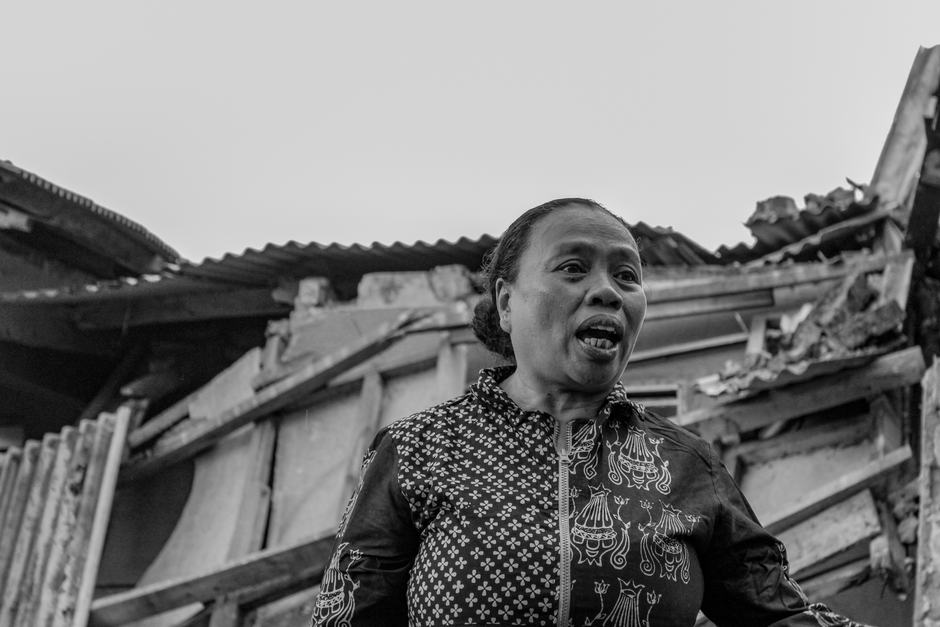
A devastating magnitude 7.7 earthquake has struck Indonesia, claiming the lives of at least 47 people and triggering widespread emergency response efforts across the affected region. The powerful tremor, one of the most significant to hit the archipelago nation in recent years, caused widespread destruction as buildings collapsed and infrastructure was severely damaged. Authorities have warned that the death toll could rise further as rescue teams work to reach remote and heavily impacted areas.
Emergency services have been mobilised across the affected region, with search and rescue teams deployed to locate survivors trapped beneath rubble. Local authorities, supported by national disaster management agencies, are coordinating relief efforts to provide food, clean water, medical assistance, and temporary shelter to thousands of displaced residents. Hospitals in the region have been placed on high alert to treat the injured, with reports indicating that many medical facilities are operating at full capacity.
Indonesia sits along the Pacific Ring of Fire, making it one of the most seismically active countries in the world. The nation has a long and tragic history of powerful earthquakes, including the catastrophic 2004 Indian Ocean tsunami and the deadly 2018 Lombok and Palu earthquakes, which collectively killed thousands of people. Experts have noted that while Indonesia has improved its early warning systems and disaster preparedness protocols in recent years, the scale and unpredictability of such seismic events continue to pose an enormous challenge for authorities.
The international community has begun offering assistance, with several countries and humanitarian organisations pledging support for recovery efforts. Residents in coastal areas were urged to remain vigilant following initial tsunami warnings that were issued in the aftermath of the quake, though authorities have since assessed the immediate risk. The full extent of the damage is still being assessed, and officials have urged the public to stay away from unstable structures as aftershocks continue to rattle the region. Investigations into the full humanitarian and infrastructural impact are ongoing.