
President Donald Trump has backed away from his threat to impose a 20% fee on all cargo passing through the Strait of Hormuz, one of the world’s most critical shipping lanes, even as the United States simultaneously resumed its naval blockade of Iranian ports. The reversal marks yet another sharp shift in Washington’s approach to Iran and has left analysts questioning the consistency and durability of US policy in the strategically vital Persian Gulf region.
The Strait of Hormuz, through which roughly one-fifth of the world’s oil supply passes, had been at the center of Trump’s latest economic pressure campaign against Tehran. The proposed fee had alarmed international shipping companies, oil markets, and US allies alike, with critics warning it could disrupt global energy supplies and alienate partner nations dependent on unimpeded access to the waterway. Trump’s decision to scrap the levy has offered some temporary relief to markets, though uncertainty remains high.
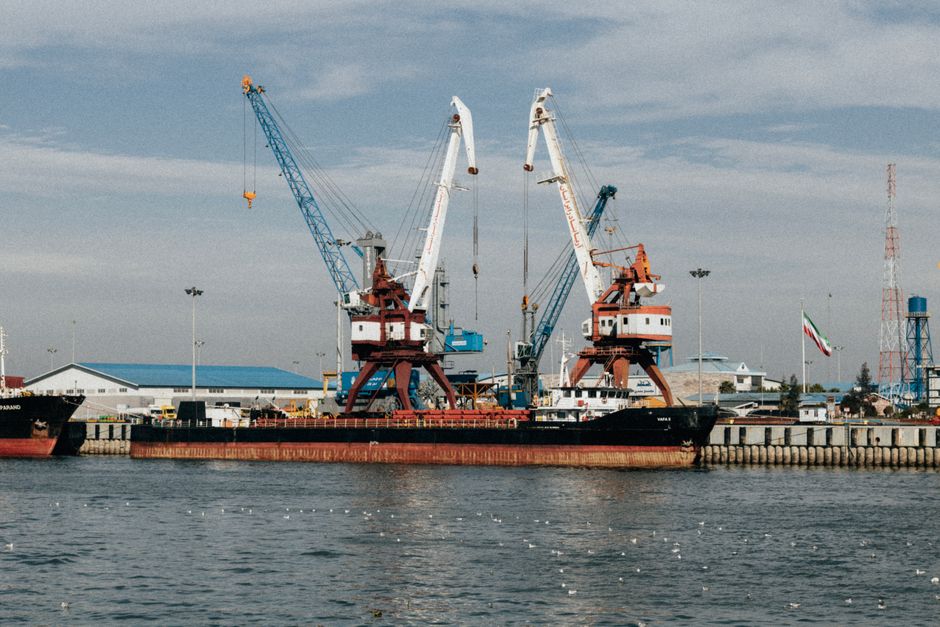
Despite withdrawing the tariff threat, the Trump administration has made clear it is not easing broader pressure on Iran. The resumption of the US naval blockade of Iranian ports signals that Washington intends to maintain its maximum pressure strategy, targeting Tehran’s ability to export oil and generate revenue. Officials say the blockade is designed to force Iran back to the negotiating table over its nuclear programme and regional activities, though Iran has repeatedly rejected what it calls economic warfare against its people.
The contradictory signals — dropping one economic weapon while deploying another — have raised fresh doubts about the coherence of US strategy toward Iran and the prospects for any lasting diplomatic agreement. Analysts warn that the stop-start nature of American policy risks undermining trust with both adversaries and allies. With tensions in the Gulf remaining elevated and nuclear talks showing limited progress, the situation continues to carry significant risks for regional stability and global energy markets. The international community is watching closely to see whether Washington and Tehran can find a sustainable diplomatic path forward.