
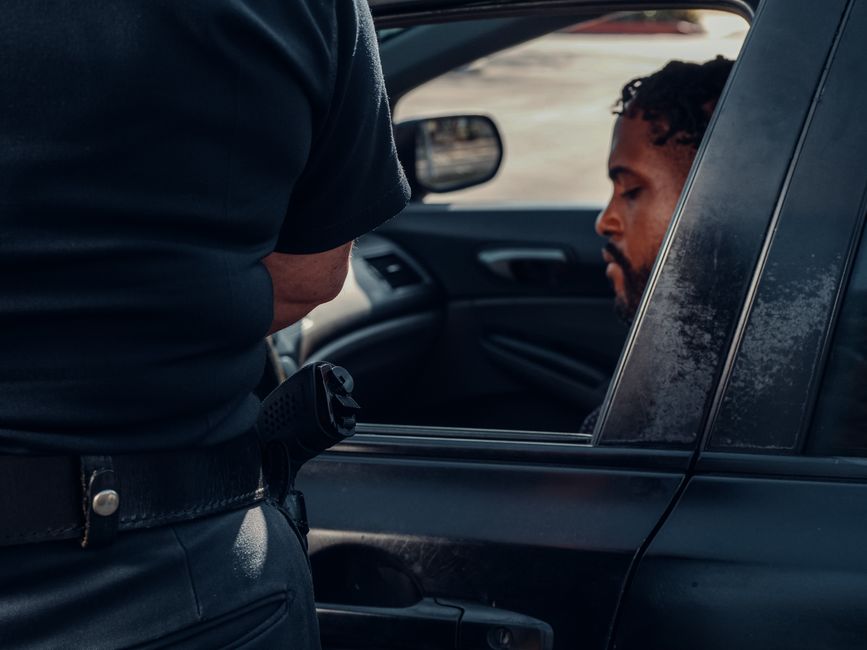
U.S. Immigration and Customs Enforcement has resumed conducting nationwide traffic stops, implementing a new policy that requires officers to wear body cameras during operations. The move marks a significant shift in how the agency conducts enforcement activities and comes in direct response to growing public and congressional scrutiny over the conduct of ICE agents in the field. Officials say the body camera requirement is designed to increase transparency and accountability across all traffic-related enforcement operations.
The policy change follows a period of intense criticism after reports emerged that ICE agents fatally shot two men — one in Maine and another in Texas — during separate enforcement encounters. The incidents sparked widespread calls for greater oversight of ICE operations, with civil liberties groups and lawmakers demanding clearer guidelines on the use of force. The resumption of traffic stops had been temporarily paused as the agency reviewed its procedures in the wake of those shootings.
ICE officials have framed the new body camera requirement as a proactive step toward building public trust while maintaining the agency’s core immigration enforcement mission. The policy applies to officers conducting traffic stops nationwide and is intended to provide objective documentation of encounters between agents and individuals. Supporters of the measure argue that body camera footage protects both officers and civilians by creating an accurate record of events as they unfold in the field.
Civil rights advocates and immigration attorneys have cautiously acknowledged the body camera policy as a step in the right direction, though many say it does not go far enough to address deeper concerns about the scope and legality of ICE’s traffic stop authority. Critics continue to question whether traffic stops are being used as a pretext for immigration enforcement in communities across the country. As the agency moves forward with the reinstated operations, legal experts and advocacy groups have pledged to closely monitor how the new policy is implemented and whether body camera footage will be made accessible for public or legal review.