
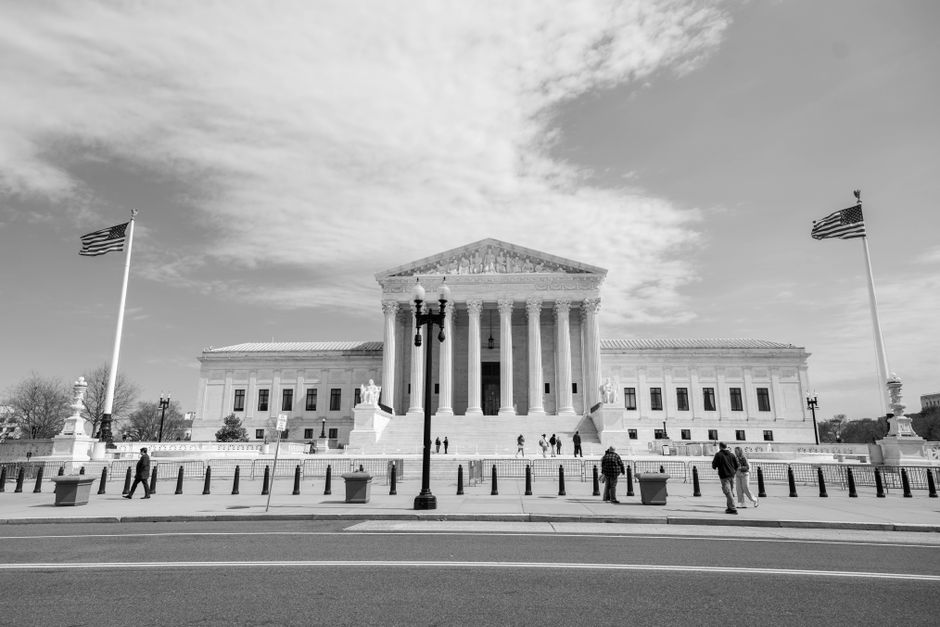
The United States Supreme Court has ruled to uphold birthright citizenship, delivering one of the most significant legal defeats to President Donald Trump’s sweeping immigration agenda. The landmark decision reinforces the constitutional guarantee that all individuals born on American soil are entitled to US citizenship, regardless of their parents’ immigration status. Legal experts are describing the ruling as a pivotal moment in the ongoing battle over immigration policy in the United States.
President Trump had sought to restrict birthright citizenship through executive action, arguing that the longstanding interpretation of the 14th Amendment — which has guaranteed citizenship to nearly all people born on US soil since 1868 — was too broad. The administration’s efforts were part of a wider crackdown on immigration that has defined Trump’s return to the White House. However, the Supreme Court’s decision firmly rejects that position, reaffirming a constitutional principle that has been in place for over 150 years.
The ruling is being hailed by immigration advocates and civil liberties groups as a crucial victory for millions of families across the country. Critics of the Trump administration’s immigration policies say the decision sends a clear message that fundamental constitutional rights cannot be dismantled through executive orders alone. The case had been closely watched by legal scholars, policymakers, and immigrant communities who feared that a ruling in Trump’s favor could have stripped citizenship from hundreds of thousands of children born in the US each year.
The White House has not yet issued a formal response to the ruling, though the decision is expected to intensify political debate around immigration reform in Washington. While the Supreme Court’s decision closes one avenue for the administration, analysts note that Trump’s team is likely to continue pursuing other legal and legislative strategies to tighten immigration controls. The ruling stands as a defining moment for constitutional law and is expected to have lasting implications for future immigration policy debates across the United States.