
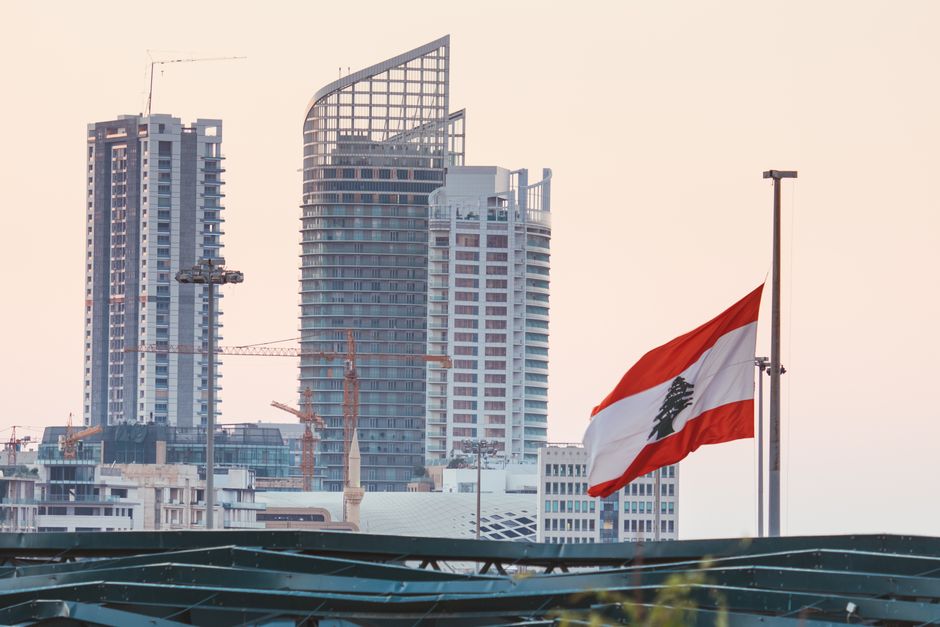
Hezbollah has rejected a renewed ceasefire agreement reached between Israel and Lebanon, throwing fresh uncertainty over the fragile peace in the region and raising fears that the conflict could escalate further. The militant group’s refusal to accept the terms of the agreement has dealt a significant blow to diplomatic efforts aimed at bringing lasting stability to one of the Middle East’s most volatile flashpoints.
The ceasefire, which had been brokered with the involvement of international mediators, was intended to halt the exchange of fire between Israeli forces and Hezbollah fighters that has ravaged communities on both sides of the border. Despite the agreement being accepted by the Lebanese government and Israel, Hezbollah’s rejection has cast serious doubt over whether the deal can hold in any meaningful way, given the group’s dominant military presence in southern Lebanon.
Families living along Israel’s northern border have spoken out about the devastating toll the ongoing conflict has taken on their daily lives. Many residents describe living under constant threat, with rocket fire and military operations forcing families to shelter in place or abandon their homes entirely. Communities that were once thriving have been left hollowed out, with schools closed, businesses shuttered, and a pervasive sense of fear gripping those who remain. “We just want to feel safe in our own homes,” one resident reportedly said, capturing the desperation felt by thousands of displaced and endangered civilians.
Regional analysts warn that Hezbollah’s rejection of the ceasefire could embolden hardline factions on both sides and undermine broader diplomatic initiatives aimed at stabilising Lebanon, which is already grappling with a severe economic crisis. International observers, including officials from the United Nations, have urged all parties to exercise restraint and return to negotiations, stressing that civilians on both sides of the border continue to bear the heaviest burden of the prolonged conflict. The coming days are expected to be critical in determining whether renewed fighting will break out or whether a new framework for peace can be established.