
An ongoing war involving Iran is casting a long and darkening shadow over the global economy, triggering a cascade of financial and logistical disruptions that are reverberating across multiple industries and international forums. Airlines, banks, and commodity markets are all grappling with the fallout as the conflict shows no immediate signs of resolution, forcing governments and businesses alike to reassess their exposure to one of the world’s most strategically sensitive regions.
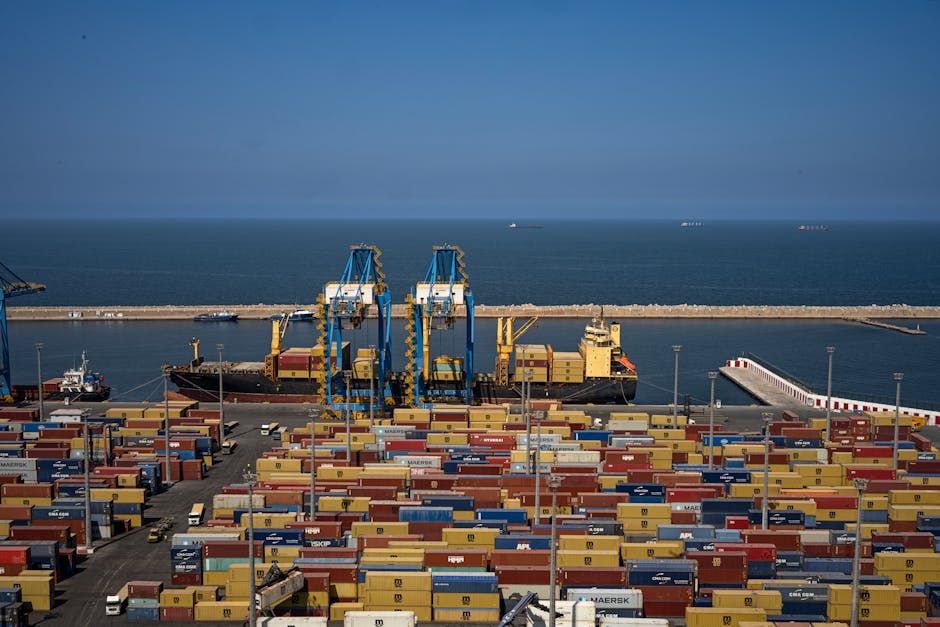
Among the most immediate economic consequences is a sharp surge in fuel costs, driven by escalating uncertainty around oil supply chains. The Strait of Hormuz, through which roughly 20 percent of the world’s oil passes daily, has become a flashpoint of concern for global shipping operators. Several major carriers have already begun rerouting vessels to avoid the Persian Gulf corridor, adding significant time and expense to supply chains that were only recently recovering from years of pandemic-era disruption. Insurance premiums for ships traversing the region have skyrocketed, further squeezing profit margins for companies dependent on maritime trade.
The conflict is also making its presence felt at the diplomatic level, dominating discussions at a high-stakes BRICS nations meeting. Iran, which joined the bloc as a new member, is actively lobbying fellow member states — including Brazil, Russia, India, China, and South Africa — to issue a formal condemnation of the war. The appeal has introduced tension into the gathering, as member nations with differing geopolitical alignments weigh the potential diplomatic and economic consequences of taking a public stance on the conflict. The outcome of these deliberations could have significant implications for the bloc’s cohesion and its growing role in reshaping the global financial order.
Economists warn that if the conflict escalates further, the world could face a prolonged period of elevated energy prices, inflationary pressure, and slowed trade growth. Central banks and finance ministries in major economies are said to be closely monitoring the situation, with contingency plans being quietly reviewed. For now, global markets remain on edge, acutely aware that developments in and around Iran carry consequences far beyond the region’s borders.