
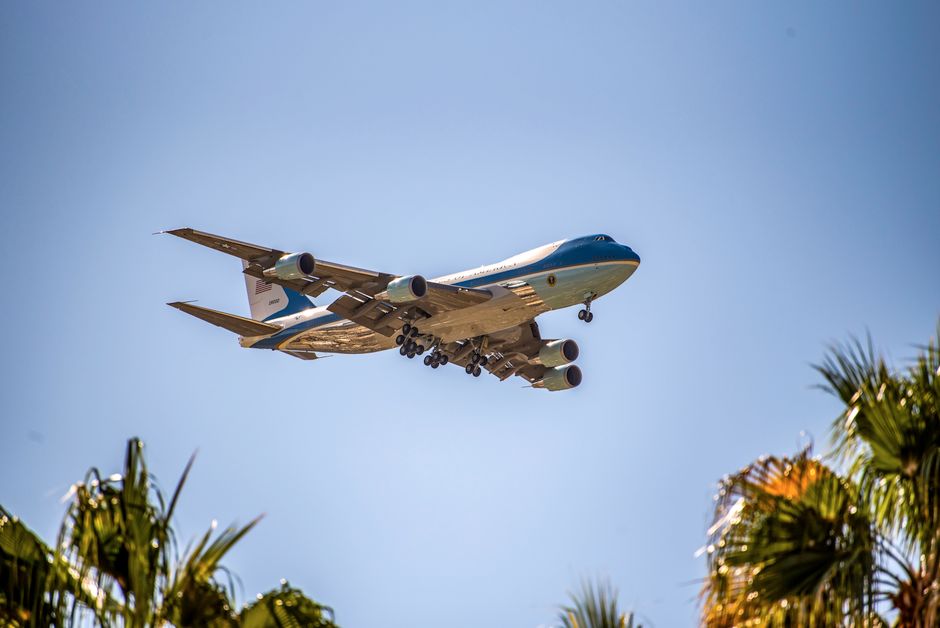
The Trump administration has issued subpoenas to journalists at the New York Times as part of a grand jury investigation into leaked information related to reporting about Air Force One, raising immediate alarm among press freedom advocates and First Amendment defenders across the United States. The move marks one of the most aggressive actions taken by the administration against members of the mainstream media since President Trump returned to office.
The subpoenas are connected to a federal leak probe aimed at identifying government sources who provided confidential information to Times reporters covering stories involving the presidential aircraft. Legal experts say the use of grand jury subpoenas to compel journalists to reveal their sources is an extraordinary measure that strikes at the heart of the relationship between a free press and the public’s right to know. The New York Times has vowed to fight the subpoenas, calling them a serious threat to press freedom and the protection of confidential sources.
Press freedom organizations, including the Reporters Committee for Freedom of the Press, have condemned the move, warning that forcing journalists to testify before grand juries could have a chilling effect on whistleblowers and sources who might otherwise come forward with information of significant public interest. Critics argue the administration is using the power of federal law enforcement to intimidate journalists and suppress reporting that may be unfavorable to the White House. Several Democratic lawmakers have also voiced concern, calling on the Justice Department to explain the scope and justification for the subpoenas.
The development echoes similar controversies from past administrations, where leak investigations led to legal battles over reporter’s privilege and the boundaries of press protection. However, many observers note the current climate feels particularly fraught given the administration’s openly hostile stance toward the media. The New York Times and its legal team are expected to mount a vigorous legal challenge, and the case is likely to draw significant scrutiny from courts, press organizations, and civil liberties groups in the weeks ahead as the legal battle unfolds.