
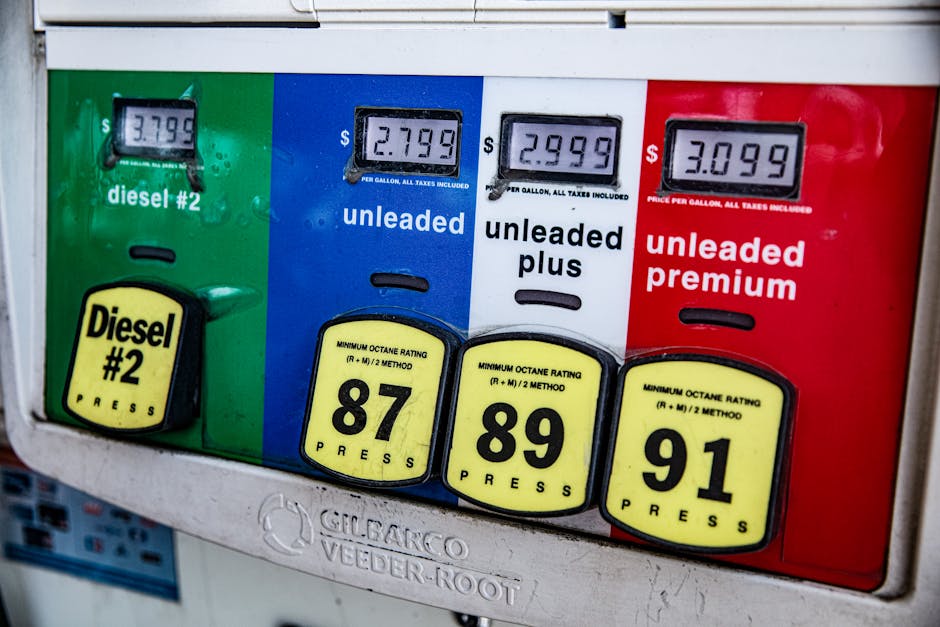
Global energy markets are reeling from the ongoing conflict in Iran, with oil prices surging to levels not seen in years as major oil companies report dramatically divergent financial results. U.S. gas prices have climbed to their highest point since the war began, squeezing consumers at the pump while sending shockwaves through the broader economy. The crisis has reignited fears of a prolonged energy shock that could reshape monetary policy and global trade flows for months to come.
ExxonMobil reported a significant drop in net income, citing disrupted output linked to the instability stemming from the Iranian conflict. Supply chain interruptions and reduced production capacity have weighed heavily on the American energy giant, whose operations have been caught in the crossfire of geopolitical turbulence. The company warned investors that uncertainty in the region could continue to pressure earnings in the near term, as global crude output remains constrained and unpredictable.
In stark contrast, BP announced that its profits more than doubled during the same period, capitalizing on the spike in oil prices driven by reduced global supply. The British energy company benefited from its diversified portfolio and strategic positioning, allowing it to take advantage of elevated commodity prices even as some peers struggled with operational disruptions. The diverging fortunes of Exxon and BP highlight how exposure to different production regions and hedging strategies can yield vastly different outcomes during periods of geopolitical crisis.
The oil shock is now drawing the attention of Federal Reserve policymakers, who are urging the central bank to abandon its rate-cut lean in light of the inflationary pressures building through energy markets. Rising fuel costs threaten to feed through to broader consumer prices, complicating the Fed’s path toward monetary easing. Analysts warn that if oil prices remain elevated, the central bank may be forced to hold rates higher for longer, potentially slowing economic growth at a critical juncture. Markets are closely watching upcoming Fed communications for any signal of a policy pivot in response to the escalating energy crisis.